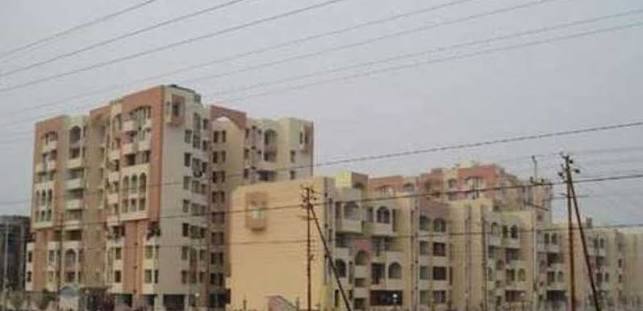
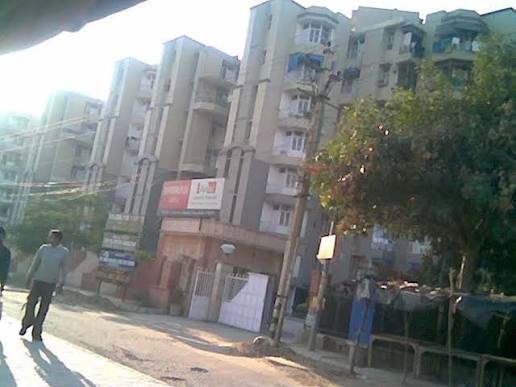
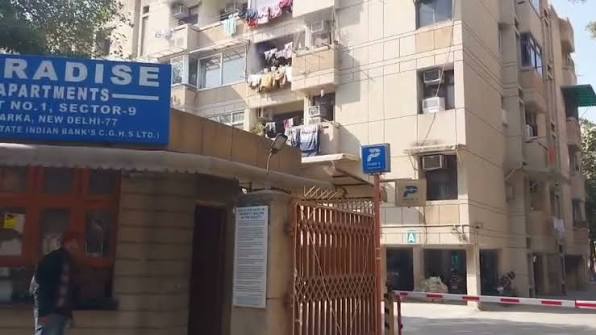
If you’re scouting South Delhi for a settled, green, family-oriented pocket to buy or rent in, Tara Apartments in Alaknanda deserves serious attention. This is a DDA-developed society, which immediately means fewer surprises around construction quality and title clarity compared to some private builder projects still finding their footing. Add in proximity to Jahanpanah forest, some of Delhi’s most reputed schools, and a location that puts Nehru Place and GK2 within easy reach, and you start to see why this locality keeps showing up on serious buyers’ shortlists. Here’s the complete picture before you decide.
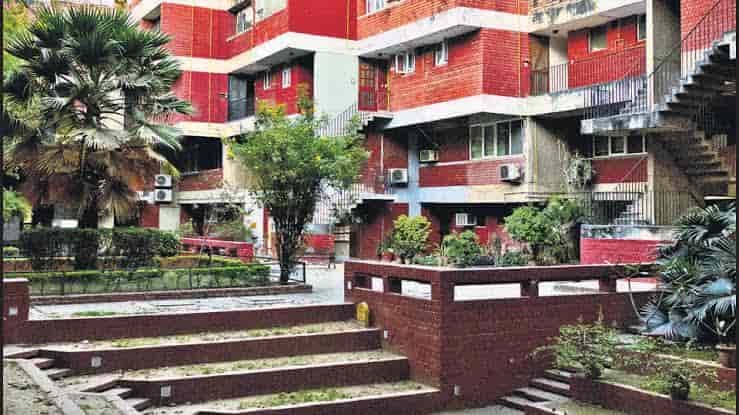
Quick overview
| Detail | Information |
| Location | Pocket F, Alaknanda, New Delhi – 110019 |
| Developer | Delhi Development Authority (DDA) |
| Configuration | 2 BHK and 3 BHK apartments, plus 3 BHK independent floors |
| Possession status | Ready to move |
| Typical unit size | 1,100–1,300 sq ft carpet area |
| 2 BHK price (resale) | Starting around ₹1.85 crore |
| 3 BHK price (resale) | Widely variable, price on request for many listings; comparable societies nearby run ₹1.06 crore to ₹3.5 crore |
| 3 BHK independent floor | Starting around ₹1.3 crore |
| Ownership type | Freehold |
| Nearest metro | Nehru Enclave metro station |
| Locality safety rating | 4/5 |
| Overall resident rating | 4.2/5 based on 30 reviews |
| Amenities | Children’s play area, park, jogging track, amphitheatre, rainwater harvesting, CCTV, power backup |
Where Alaknanda sits and why it works
Alaknanda is one of South Delhi’s quieter, more established residential pockets, sitting close to Greater Kailash and Kalkaji without carrying quite the same price tag as either. Tara Apartments specifically occupies Pocket F, and residents consistently point to the surrounding green cover as one of the area’s biggest draws — Jahanpanah City Forest is close enough for an actual morning walk, not just a weekend drive-to destination.
What makes this locality particularly appealing for families is the school density nearby. New Green Field School, St. George’s School, and Don Bosco are all within easy reach, which cuts down the daily school-run stress that eats into so many Delhi parents’ mornings. Add the Alaknanda and GK2 markets close by for everyday shopping, and you get a neighbourhood that doesn’t require constant long-distance trips for basic needs.
What the apartments actually offer
Tara Apartments primarily offers 2 BHK and 3 BHK configurations, along with 3 BHK independent floors for buyers who prefer more privacy over shared-building living. Units typically run in the 1,100 to 1,300 sq ft carpet area range, with several listings mentioning good natural light and cross-ventilation — standard DDA-era design that prioritises functional room sizes over open-plan flash.
A few practical points worth knowing before you visit:
- Buildings are generally four storeys tall, keeping things low-rise and avoiding the lift-dependency issues common in high-rise towers.
- Balconies in several units offer park-facing views, which residents specifically call out as a quality-of-life plus.
- Ownership across the society is freehold, simplifying the resale and loan approval process considerably compared to leasehold DDA properties elsewhere in Delhi.
- Some units have been renovated with modular kitchens and updated flooring by previous owners, while others retain the original fit-out — always ask directly rather than assuming.
Price trends and what you’ll actually pay
Resale 2 BHK units in Tara Apartments start around ₹1.85 crore, reflecting both the freehold status and the locality’s overall desirability. Three BHK pricing shows more spread — some listings sit around price-on-request territory, while comparable societies in the immediate vicinity range from roughly ₹1.06 crore up to ₹3.5 crore depending on size, floor, and renovation level. Independent floor options, if you’d rather avoid shared building maintenance altogether, start around ₹1.3 crore for a 3 BHK.
Rental rates in the broader Alaknanda area typically fall between ₹40,000 and ₹90,000 a month depending on configuration and furnishing, giving you a rough benchmark if you’re weighing buy-versus-rent for this locality specifically.
Connectivity and daily convenience
The nearest metro access point is Nehru Enclave station, keeping residents connected to the broader network without a long approach. For those who drive, Nehru Place — one of Delhi’s major commercial and IT hubs — is close enough for a manageable daily commute, and Alaknanda’s road network connects reasonably well toward South Extension and Kalkaji.
Healthcare access is solid too, with Hakeem Abdul Hameed Centenary Hospital, Batra Hospital, and National Heart Institute all within reasonable distance — a meaningful comfort factor for families with elderly members. For entertainment, INOX Nehru Place and other cinema options nearby mean you’re not stuck driving across the city for a simple outing.
What residents actually say
Reviews for Tara Apartments and the broader locality lean positive, with recurring mentions of well-connected roads, strong construction quality, and a genuinely active, responsive Resident Welfare Association — something that matters far more day to day than most buyers realise until they’ve lived somewhere without one. The green cover gets singled out repeatedly too, with residents specifically valuing the ability to walk early morning without needing to drive to a park.
The overall locality safety rating sits at 4 out of 5, and the society itself carries a 4.2 rating based on resident and buyer feedback, putting it comfortably among South Delhi’s more dependable, lived-in communities rather than a flashy but untested new launch.
Frequently asked questions
Q1. Is Tara Apartments a good option if I’m relocating from outside Delhi and don’t know the area well?
Yes, largely because it’s a well-established, decades-old DDA society rather than an unfamiliar new development — the surrounding infrastructure, schools, and hospitals are already fully functional, so you’re not gambling on future development actually happening. The active RWA also makes settling in easier since there’s an organised structure to reach out to for society-related queries.
Q2. Why is there such a big price gap between listed 2 BHK and 3 BHK units here?
A lot of it comes down to floor level, renovation status, and whether the unit still has original fittings from decades ago versus a full modern renovation. Since several 3 BHK listings show “price on request,” it’s worth getting a few in-person valuations from local brokers rather than relying purely on portal listings to understand the real current range.
Q3. Is freehold ownership here actually a meaningful advantage, or just a technical detail?
It’s genuinely significant — freehold properties are considerably easier to sell, transfer, or use as loan collateral compared to leasehold DDA flats, which sometimes require additional conversion paperwork before a bank approves financing. If you’re planning to hold the property short-to-medium term and want maximum resale flexibility, this is a real practical benefit, not just paperwork trivia.
Q4. How walkable is daily life here without owning a car?
Quite manageable — Alaknanda and GK2 markets cover groceries and daily needs within walking distance for most blocks, and Nehru Enclave metro station provides a car-free option for longer trips. That said, for hospital visits or evening entertainment further away, having access to a cab or auto is still practical, since public transport frequency drops noticeably after peak hours.